Quick Answer: Choose hotel laundry equipment by mapping daily linen demand and peak occupancy into a balanced washing, drying, ironing, folding, handling, and storage workflow supported by the hotel's actual utilities and room dimensions. Confirm the final equipment choice against hotel operations, available utilities, room conditions, and model-specific information before ordering.
Executive Summary
This guide is for hotel procurement managers, laundry managers, project contractors, consultants, and equipment distributors planning an on-site hotel laundry system. The main decision is how to balance equipment capacity across towels, sheets, duvet covers, table linen, uniforms, and other hotel textiles rather than selecting each machine independently. Buyers should estimate normal and peak linen volume, separate drum-dried loads from flatwork loads, confirm operating hours, and document available water, drainage, voltage, heating, ventilation, access, and installation space. The expected outcome is a practical equipment shortlist and a complete quotation brief that suppliers can evaluate against the same hotel laundry workflow. Final model selection still depends on confirmed project conditions and model-specific information.
Quick Answer: Follow this contents list from hotel laundry definitions and workflow through equipment combinations, capacity, utilities, buyer checks, purchasing mistakes, frequently asked questions, and the final contact step. Confirm the final equipment choice against hotel operations, available utilities, room conditions, and model-specific information before ordering.
Table of Contents
Quick Answer: Hotel laundry planning should begin with linen flow, peak demand, textile categories, and operating constraints. A washer and dryer alone do not define a workable system when ironing, folding, storage, utilities, and staff movement also control output. Confirm the final equipment choice against hotel operations, available utilities, room conditions, and model-specific information before ordering.
Introduction
Technical Editorial Team, HAIDI Laundry Equipment. This guide is organized from industrial laundry equipment project experience and practical equipment configuration discussions.
Choosing hotel laundry equipment is not just a question of buying a washer and a dryer. A hotel laundry system has to handle daily linen turnover, peak occupancy, towel volume, guest room sheets, staff uniforms, table linen, and sometimes spa or banquet textiles. If the equipment is selected only by machine capacity, the hotel laundry room may still face bottlenecks in sorting, drying, ironing, folding, or clean linen storage.
This guide explains how hotel buyers can think through the complete hotel laundry workflow before requesting a quotation. It is written for procurement managers, laundry managers, hotel project contractors, consultants, and overseas distributors who need practical planning information. The article does not provide prices, confirmed lead times, or project promises. Instead, it gives a structured way to compare hotel laundry machines and understand how a hotel washer extractor, hotel tumble dryer, and flatwork ironer for hotel laundry fit into one operating flow and layout.
Quick Answer: Hotel laundry equipment includes the machines and handling areas used to collect, sort, wash, extract, dry, finish, fold, store, and redistribute hotel textiles. The required combination depends on the property's linen profile and workflow. Confirm the final equipment choice against hotel operations, available utilities, room conditions, and model-specific information before ordering.
What Is Hotel Laundry Equipment?
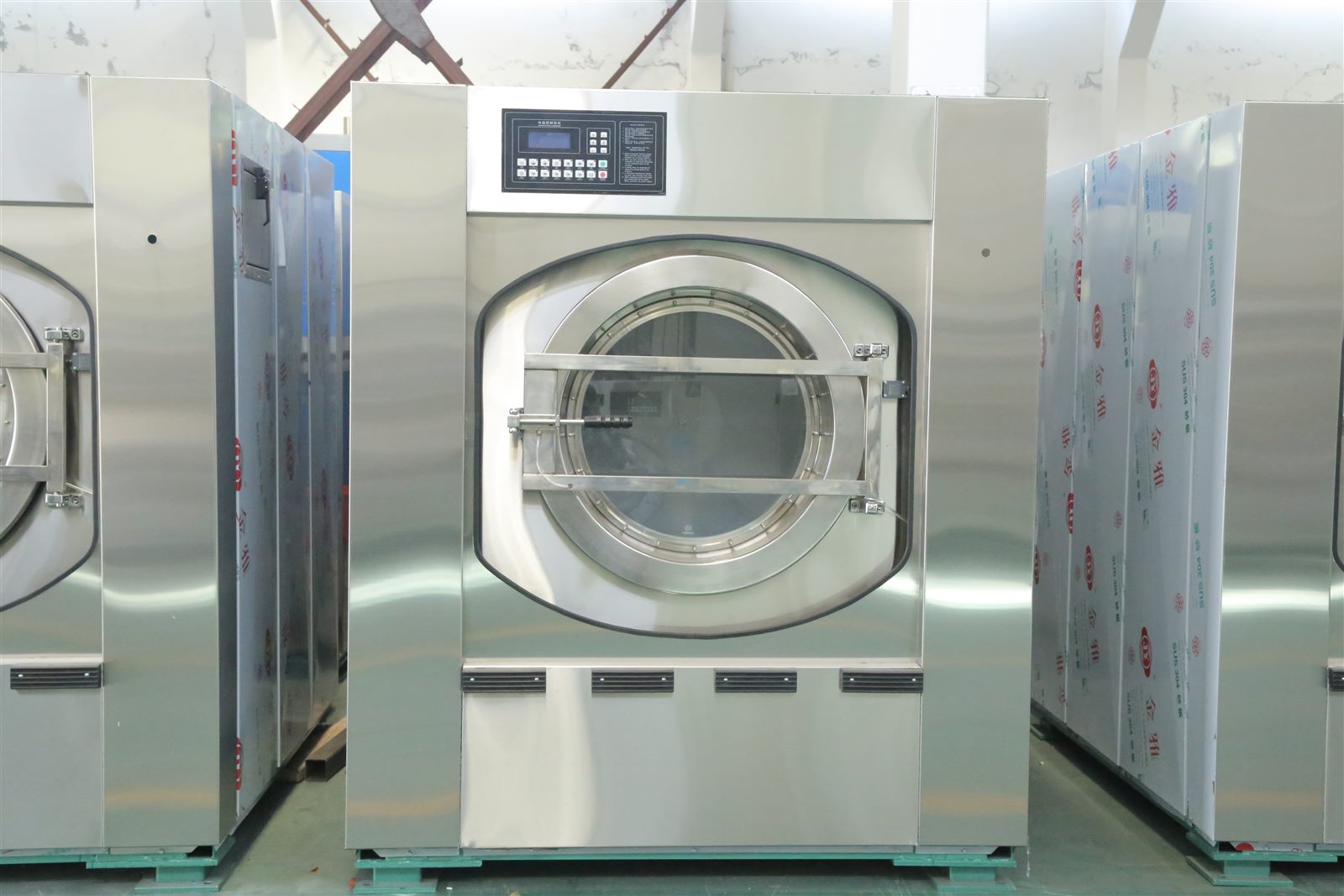
Hotel laundry equipment refers to the machines and handling areas used to process hotel textiles from collection to clean storage. In a hotel, common textile loads include bed sheets, duvet covers, pillowcases, towels, bath mats, table linen, staff uniforms, restaurant textiles, and cleaning cloths. A complete hotel laundry system may include washer extractors, tumble dryers, flatwork ironers, folding equipment, carts, sorting tables, storage shelves, and space for packing or dispatch.
Commercial laundry equipment for hotels should be selected according to workflow rather than a single machine name. A washer extractor handles washing and spin extraction in one machine. A hydro extractor may be considered when separate moisture reduction is part of the plan. A tumble dryer handles towels, uniforms, and mixed textile loads that need drum drying. A flatwork ironer is used for sheets, duvet covers, table linen, and other flat textiles that need organized finishing before folding and storage.
For a complete project view, buyers can compare this article with the Hotel Laundry Equipment Solution page, where the equipment categories are arranged around hotel laundry room planning.
Quick Answer: A typical hotel laundry workflow moves linen from collection and sorting through washing, moisture reduction, drying or flatwork finishing, folding, and clean storage. Each stage should accept the planned output of the stage before it. Confirm the final equipment choice against hotel operations, available utilities, room conditions, and model-specific information before ordering.
Typical Hotel Laundry Workflow
A practical hotel laundry workflow starts outside the laundry room. Used linen is collected from guest rooms, restaurants, spa areas, housekeeping carts, or service floors. The linen then moves into sorting, where textiles are separated by type, volume, washing requirement, drying method, and finishing process. Good sorting helps the laundry team avoid mixing heavy towels with flat linen that later needs ironing.
After sorting, textiles move to washing. Sheets, towels, and uniforms may use different loading plans depending on weight and fabric bulk. After washing, moisture is reduced through washer extractor spin extraction or, in some workflows, a separate hydro extraction stage. Towels and mixed loads usually move to drying, while sheets and flat linen may move toward ironing and folding. Finished linen then goes into clean storage or returns to housekeeping distribution.
Hotel laundry workflow7 stages
| 1 | Hotel Linen Collection |
| 2 | Sorting |
| 3 | Washing |
| 4 | Hydro Extraction |
| 5 | Drying |
| 6 | Ironing / Folding |
| 7 | Clean Linen Storage |
Quick Answer: Most hotel projects combine washer extraction, tumble drying for towels and mixed loads, flatwork ironing for sheets and table linen, and folding or storage support. Exact equipment depends on volume, textiles, utilities, and space. Confirm the final equipment choice against hotel operations, available utilities, room conditions, and model-specific information before ordering.
Recommended Hotel Laundry Equipment Combination
There is no single equipment combination that fits every hotel. A guesthouse, serviced apartment, resort, city hotel, and large conference hotel may all require different laundry room planning. Still, the basic combination usually starts with washing, drying, flat linen finishing, and clean storage. The right combination should match room count, occupancy pattern, linen change frequency, towel volume, restaurant linen, and available utilities.
A hotel washer extractor is often the core machine because it combines washing and extraction in one unit. It is commonly used for sheets, towels, pillowcases, duvet covers, bath linen, and staff uniforms. The buyer should compare batch size with daily linen volume and working hours. If the washer is too small, the laundry team may need too many batches per day. If it is too large for actual loads, the machine may not be used efficiently.
A hotel tumble dryer handles towels, bath mats, robes, uniforms, and mixed textiles that are not finished by a flatwork ironer. Dryer capacity should be matched with washer output and moisture after extraction. A flatwork ironer for hotel laundry supports sheets, duvet covers, pillowcases, table linen, and banquet linen. When a hotel processes many sheets per day, ironing and folding can become as important as washing capacity.
Some hotel laundry rooms may also consider a hydro extractor when washing and moisture reduction are separated, or when the workflow requires additional moisture reduction before drying. This should be reviewed with the actual laundry plan rather than assumed for every project.
Quick Answer: Estimate daily and peak linen demand, divide it into drying and flatwork streams, and calculate realistic batches within planned operating hours. Then balance washer, dryer, ironer, folding, and storage capacity across the complete process. Confirm the final equipment choice against hotel operations, available utilities, room conditions, and model-specific information before ordering.
How to Choose Equipment Capacity
Capacity selection starts with the real linen load, not only the number printed on a machine. Hotel buyers should estimate daily linen volume from room count, occupancy, linen change frequency, towel usage, restaurant or banquet activity, spa services, and staff uniform needs. Peak occupancy is especially important because a laundry room that works well at low occupancy may become slow during holidays, events, or group bookings.
A useful planning method is to separate flat linen from drying loads. Sheets, duvet covers, pillowcases, and table linen may require flatwork ironing or folding. Towels, bath mats, robes, and uniforms usually require tumble drying. This split helps the buyer compare washer capacity, dryer capacity, and finishing capacity as a system. If sheet volume is high, the ironer or folding process may become the limiting stage even when the washer extractor is correctly sized.
Working hours also matter. The same daily linen volume can require different equipment if the hotel wants to finish laundry in one shift instead of two. Before requesting a quotation, buyers should prepare estimated kg per day, main textile categories, preferred operating hours, available laundry room space, and expected future expansion. A hotel laundry equipment supplier can then discuss a more practical configuration based on real project inputs.
Quick Answer: Confirm voltage, frequency, water, drainage, heating source, ventilation, exhaust arrangements, room access, and maintenance clearance before selecting equipment. Utility limits can remove otherwise suitable machine configurations from consideration. Confirm the final equipment choice against hotel operations, available utilities, room conditions, and model-specific information before ordering.
Utility Requirements
Utility planning is one of the most common reasons hotel laundry projects need extra review. Laundry machines require power, water, drainage, ventilation, and sometimes steam, gas, or electric heating. The available utility conditions can influence which washer extractor, tumble dryer, and flatwork ironer configuration is suitable for the hotel laundry room.
For washing equipment, buyers should confirm water supply, drainage, voltage, and available floor space. For tumble dryers, heating source and ventilation are important because drying performance depends on heat and airflow. For flatwork ironers, heating source, linen width, feed direction, and operator access should be reviewed. If the hotel wants to add folding equipment later, the finishing area should not be planned too tightly.
Utility requirements vary by model and project, so they should be confirmed before ordering. This article does not replace local engineering checks or installation review. It simply helps hotel buyers prepare the right questions before discussing hotel laundry machines with suppliers.
Quick Answer: Prepare daily linen volume, peak occupancy, textile mix, operating hours, utilities, room dimensions, access, and expansion plans before requesting a quotation. These inputs let suppliers compare capacity and configuration on a consistent basis. Confirm the final equipment choice against hotel operations, available utilities, room conditions, and model-specific information before ordering.
Equipment Selection Checklist
A clear checklist helps hotel buyers avoid incomplete quotations. When the supplier receives only a request for a washer or dryer, the recommendation may not reflect the actual hotel laundry workflow. A better request explains the laundry type, daily load, textile mix, available utilities, room space, and whether the buyer needs a single machine or a complete hotel laundry system.
Buyer Checklist
Quick Answer: The main purchasing errors are sizing one machine in isolation, combining towels and flat linen into one capacity assumption, overlooking peak occupancy, and discussing price before confirming utilities, workflow, and installation limits. Confirm the final equipment choice against hotel operations, available utilities, room conditions, and model-specific information before ordering.
Common Purchasing Mistakes
One common mistake is selecting a washer extractor only by maximum capacity. A machine may look suitable by capacity, but the full process can still slow down if the dryer, ironer, folding area, or clean storage area is not matched. Hotel laundry equipment should be compared as a workflow, not as independent machines.
Another mistake is ignoring towel and sheet separation. Towels are bulky and often need strong drying capacity. Sheets and table linen may need ironing and folding. If both types are planned as one general load, the hotel may underestimate the finishing equipment required for flat linen. This is why a hotel laundry workflow should separate textile categories early in the planning stage.
Buyers may also overlook utility limits. A dryer or ironer configuration depends on the available heating source, ventilation, power supply, and installation space. A quotation request should not only ask for machine price; it should also provide the project country, voltage, available utilities, room size, and daily production target. Clear information reduces guesswork and helps the supplier recommend practical commercial laundry equipment for hotels.
Quick Answer: These answers cover the equipment most hotels require, capacity planning, washer extractor differences, hydro extractor use, and the project information buyers should prepare before requesting a hotel laundry quotation. Confirm the final equipment choice against hotel operations, available utilities, room conditions, and model-specific information before ordering.
FAQ
What equipment is required for a hotel laundry?
A hotel laundry usually needs washer extractors, tumble dryers, flatwork ironers for sheets and table linen, folding equipment when required, carts, sorting space, and clean storage. Some projects may use a hydro extractor when separate moisture reduction is part of the workflow.
How do I choose hotel laundry equipment capacity?
Start with daily linen volume, room count, peak occupancy, linen change frequency, towel volume, operating hours, and textile categories. Then match washer capacity with drying and finishing capacity so one stage does not create delays for the rest of the laundry room.
What is the difference between a washer extractor and an industrial washing machine?
A washer extractor combines washing and spin extraction in one machine. An industrial washing machine is mainly used for washing and may need a separate hydro extractor before drying. The right choice depends on workflow, floor space, textile type, and batch handling plan.
Do hotels need a hydro extractor?
Not every hotel needs a hydro extractor. It may be useful when the laundry workflow separates washing and moisture reduction, or when additional extraction helps reduce dryer workload. The need should be reviewed according to washer type, textile moisture, drying capacity, and project layout.
What information should be prepared before requesting a quotation?
Prepare hotel type, country, room count, daily linen volume, textile categories, voltage, heating source, water and drainage conditions, ventilation, installation space, and required equipment. This information helps the supplier discuss a suitable hotel laundry system.
Quick Answer: A hotel laundry purchase should translate linen demand, peak occupancy, textile type, available utilities, and room constraints into one balanced equipment and handling plan. Confirm the final equipment choice against hotel operations, available utilities, room conditions, and model-specific information before ordering.
Key Takeaways
- Calculate both normal and peak linen demand before selecting capacity.
- Separate towel and mixed-load drying from flat linen finishing requirements.
- Balance washer, dryer, ironer, folding, and clean-storage output.
- Confirm voltage, water, drainage, heating, ventilation, and access before ordering.
- Use room dimensions and operator movement to test layout feasibility.
- Allow for future occupancy or service growth without crowding the initial layout.
- Send the same written project brief when comparing supplier recommendations.
Quick Answer: Before contacting a supplier, assemble the hotel type, room count, linen volume, textile categories, working hours, utilities, installation space, and required equipment so the quotation discussion begins with measurable project needs. Confirm the final equipment choice against hotel operations, available utilities, room conditions, and model-specific information before ordering.
Contact CTA
A hotel laundry system should be planned around the full linen flow from collection to clean storage. Washing, hydro extraction, drying, ironing, folding, utilities, and storage all affect equipment selection. When these stages are planned together, hotel buyers can request quotations with clearer information and compare equipment recommendations more confidently.
For hotel owners, procurement teams, contractors, and distributors, the next step is to prepare the checklist information and discuss equipment matching with the supplier. HAIDI can review laundry type, daily capacity, textile type, utility conditions, country, and required equipment before suggesting a practical configuration.
Request Hotel Laundry Equipment Configuration